Archive
Health & Sun Protection
A record of albinism news, research, and advocacy from trusted sources around the world. Reviewed by a human editor before publication.

Jane Kasweka
Livingstone, Zambia
Delphile Bandha
Livingstone, Zambia

Purity Kashweka
Livingstone, Zambia

Dorcus Siabasimbi
Livingstone, Zambia
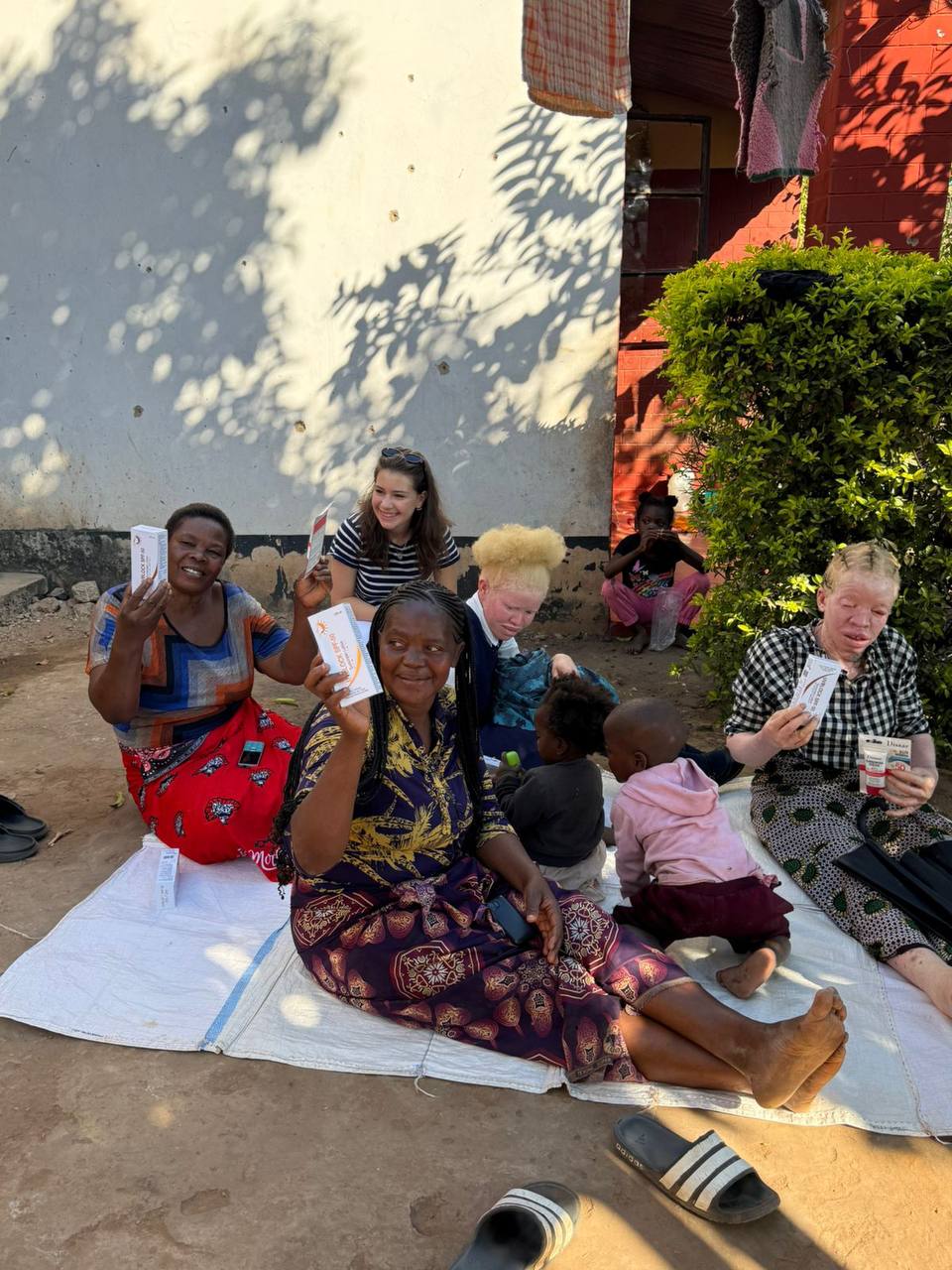
Carolina Khaskelis from the United States is visiting Livingstone, Zambia, where she is spending time with members of the local albinism community, including Jane Kasweka, Delphile Bandha, Purity Kashweka, and Dorcus Siabasimbi. Alongside distributing essential sunscreen, Carolina is listening to their stories and learning more about their experiences, challenges, and hopes for the future.
 Health & Sun ProtectionGoogle News — Albinism
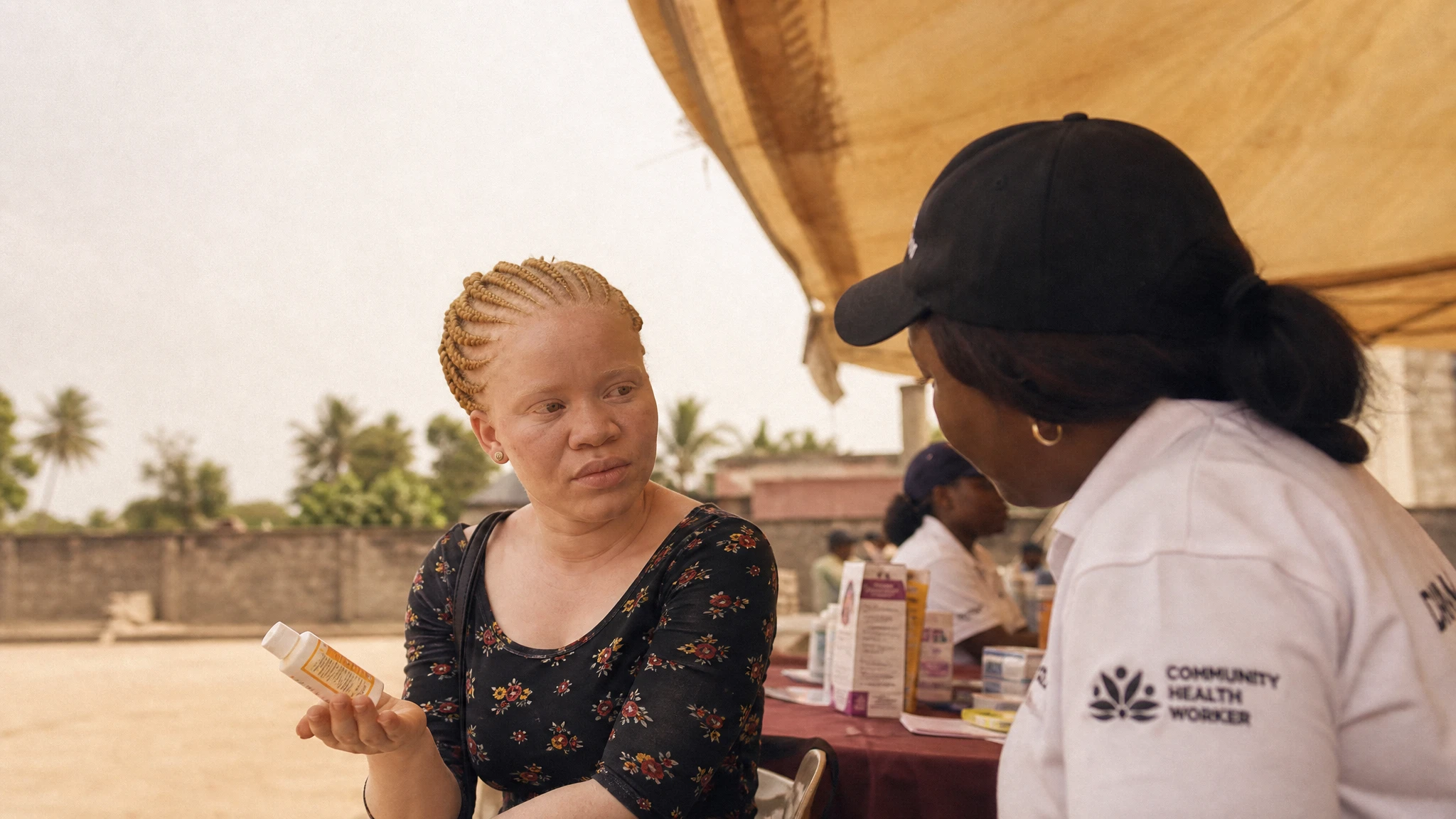
Abuja outreach brings care to people with albinism
The Albinism Association of Nigeria called for sustained support as a medical outreach in Abuja provided health services to the local albinism community.
 Health & Sun ProtectionGoogle News — Albinism
A new OCA2 mutation identified in genetic case report
Researchers have documented a previously unreported genetic mutation linked to oculocutaneous albinism type 2, adding detail to how OCA2 is understood at the molecular level.
 Health & Sun ProtectionGoogle News — Albinism
Fiji moves to improve care for people with albinism
The Fiji Times reports on new efforts to strengthen health services for people with albinism in the Pacific island nation.
 Health & Sun ProtectionGoogle News — Albinism
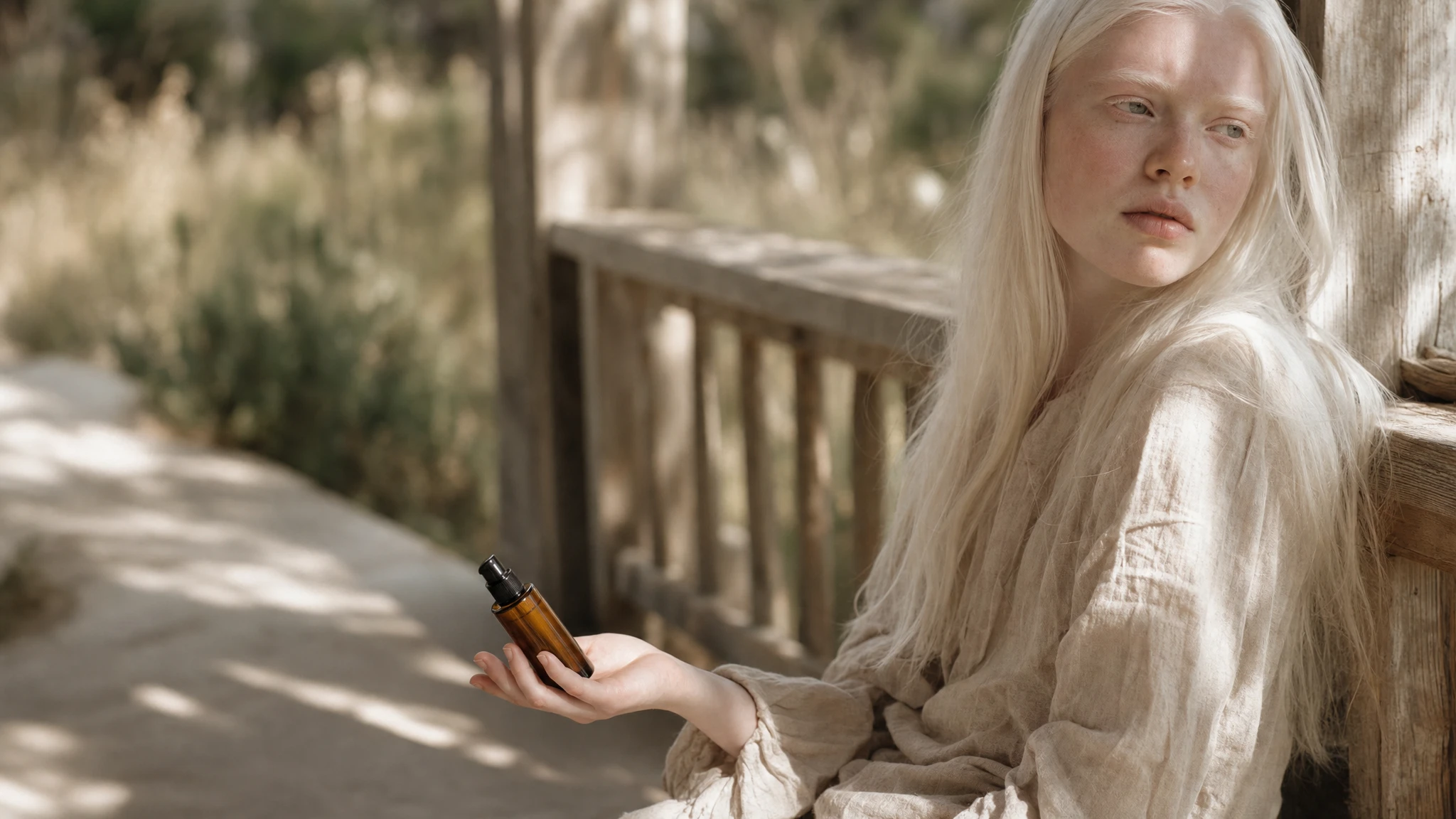
WHO calls sunscreen life-saving for people with albinism
The World Health Organization has declared sunscreen essential, not optional, for people with albinism — and is calling for equitable global access.
 Health & Sun ProtectionGoogle News — Albinism
Kenya agency offers free cancer screening for people with albinism
A state health agency ran free skin cancer screenings for people with albinism in Kenya, where sun exposure poses a significant and often unaddressed risk.
 Health & Sun ProtectionJournal of Investigative Dermatology
RNA medicines and what they could mean for skin disease
A review in the Journal of Investigative Dermatology traces how RNA-based treatments are moving from COVID vaccines toward skin conditions including genetic diseases.
 Health & Sun ProtectionJournal of Investigative Dermatology
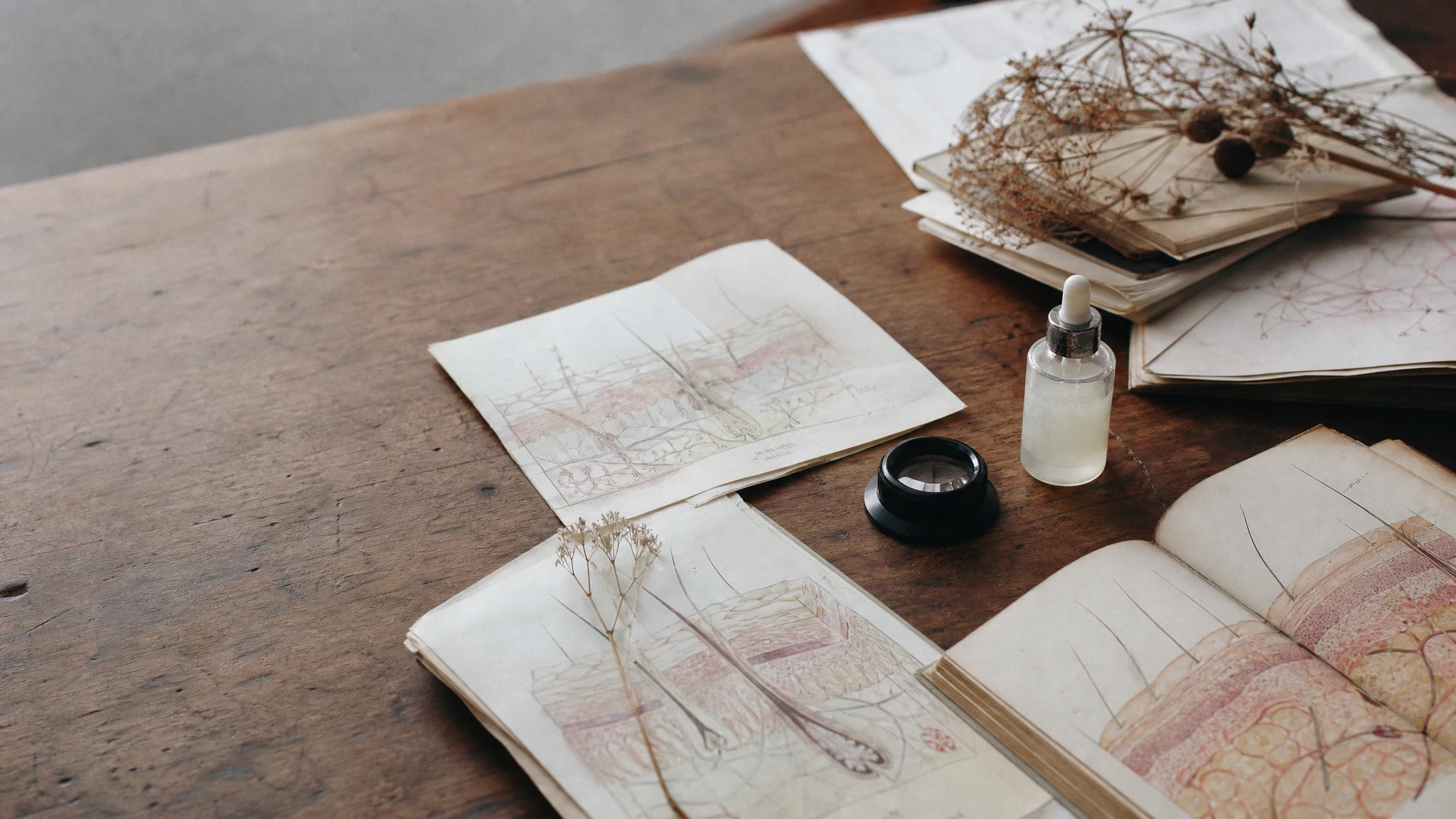
Mouse skin study challenges a long-held lab assumption
A new atlas of hair follicle cycles across the whole mouse body finds that dorsal skin patches do not represent the whole animal. The finding has implications for pigmentation and skin research.
 Health & Sun ProtectionAllAfrica — Albinism
South Africa's patent reform delay costs patients access
Twelve years after a lobbying scandal exposed pharmaceutical industry pressure, South Africa has still not passed the Patent Amendment Bill. Activists say the delay costs lives.
 Health & Sun ProtectionAllAfrica — Albinism
Court case reveals South Africa's fractured healthcare responsibilities
A dispute over clinic access in Johannesburg has exposed how health responsibilities are split across three tiers of government, leaving patients uncertain of their rights.
 Health & Sun ProtectionJournal of Investigative Dermatology
Gut bacteria shape how dietary fat affects skin
A study in the Journal of Investigative Dermatology finds that fatty acid type — not total fat intake — drives skin and hair follicle changes, with gut microbiota playing a key regulatory role.
 Health & Sun ProtectionJournal of Investigative Dermatology
Mouse study links Kit signalling to hair follicle growth
Research published in the Journal of Investigative Dermatology examines how Kit-Kitl signalling in skin cells shapes hair follicle development and regeneration.
 Health & Sun ProtectionAllAfrica — Albinism
Nigeria's healthcare reforms leave albinism community behind
President Tinubu's sweeping healthcare restructuring has drawn little attention to its effects on Nigerians with albinism, who depend on specific dermatological and ophthalmological services.
 Health & Sun ProtectionJournal of Investigative Dermatology
Visible light triggers pigmentation differently across skin types
A Journal of Investigative Dermatology study found visible light causes pigmentation in darker skin types but redness in lighter ones — a distinction relevant to albinism research.
 Health & Sun ProtectionJournal of Investigative Dermatology
Oxidative stress study reveals potential CTCL treatment target
New research in the Journal of Investigative Dermatology identifies a distinct oxidative stress profile in cutaneous T-cell lymphoma, pointing toward a possible therapeutic vulnerability.
 Health & Sun ProtectionAllAfrica — Albinism
Nigeria moves to expand cancer care funding
The Nigerian government has introduced measures to make cancer treatment more affordable, though costs remain out of reach for many patients, according to officials.
 Health & Sun ProtectionJournal of Investigative Dermatology
Immune checkpoint protein studied across inflammatory skin diseases
Researchers examined how a protein called VISTA behaves differently across skin conditions. The findings may point toward new treatment strategies for chronic inflammation.
 Health & Sun ProtectionAllAfrica — Albinism
Global cancer cases could reach 35 million by 2050
A new WHO report warns that annual cancer cases worldwide could nearly double by 2050 without urgent improvements in prevention, diagnosis, and treatment.
 Health & Sun ProtectionAllAfrica — Albinism
Liberia urged to build regional teaching hospitals
A health conference has called on Liberia's government to invest in specialist medical education and regional teaching hospitals as part of a long-term health strategy.
 Health & Sun ProtectionAllAfrica — Albinism
Mozambique health chief urges Africa to invest in science
Eduardo Samo Gudo, head of Mozambique's National Institute of Health, called on African nations to stop depending on wealthier countries for medicines and diagnostics.
 Health & Sun ProtectionJournal of Investigative Dermatology
AI tool estimates melanoma depth without skin biopsy
A deep learning model trained on reflectance confocal microscopy images can classify melanoma and estimate Breslow depth non-invasively, the Journal of Investigative Dermatology reported.