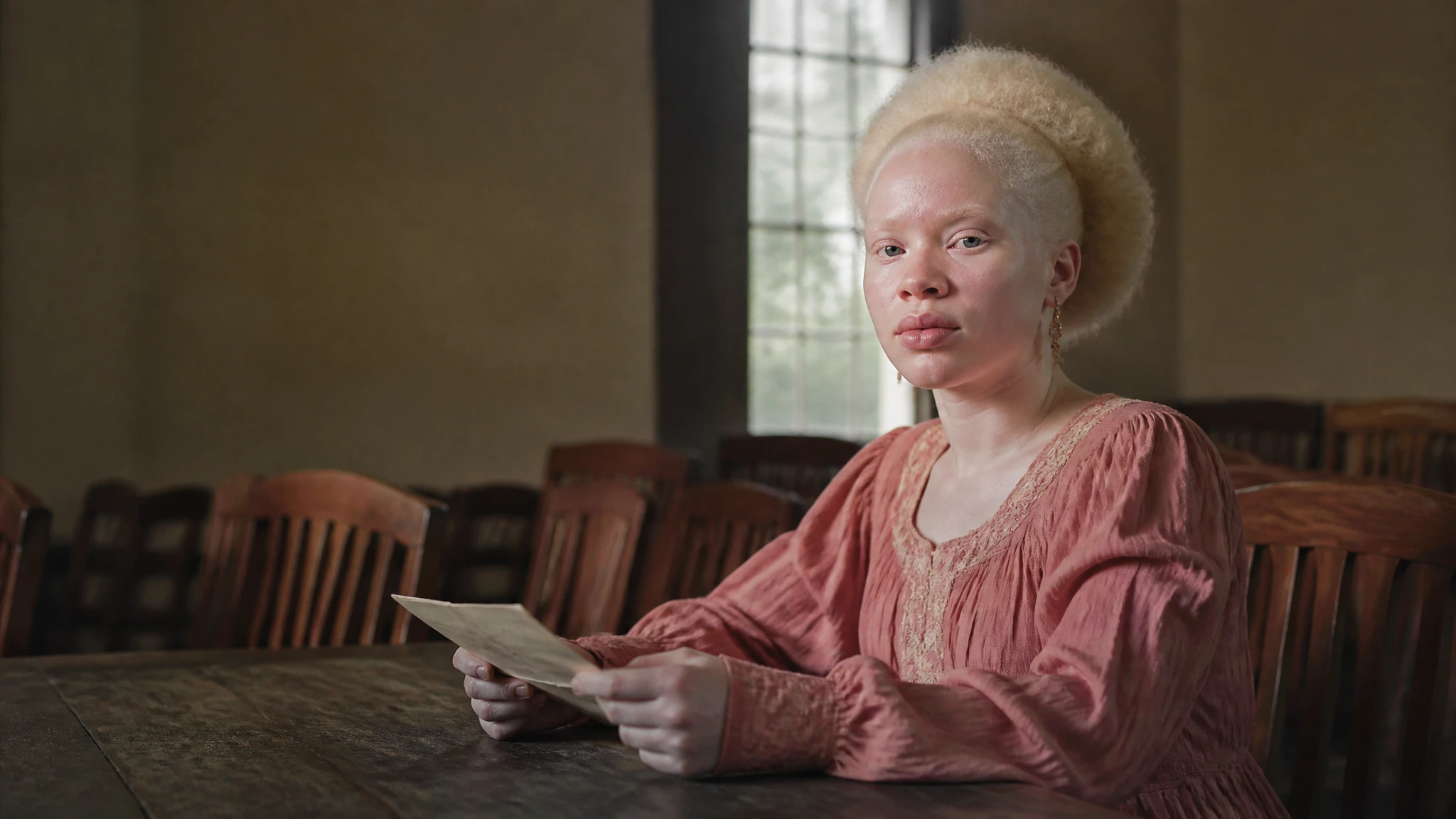
Member States adopted a new declaration at the General Assembly, reaffirming commitments made at the 2001 Durban Conference on racism and discrimination.
Marley Dias, a youth activist from the United States, opened the General Assembly's high-level meeting with a single, unambiguous statement: "No country is free of racism."
The session marked 25 years since the 2001 World Conference Against Racism in Durban, South Africa. UN Member States gathered to adopt a new declaration reaffirming their commitments to combating racism, discrimination, and xenophobia, according to UN General Assembly News.
The declaration does not name albinism specifically. But the Durban framework has historically provided the international scaffolding on which advocates for people with albinism — particularly across Sub-Saharan Africa — have built their cases for state protection and legal accountability.
The Independent Expert on the enjoyment of human rights by persons with albinism, a mandate created by the UN Human Rights Council, sits within precisely this architecture. Periodic renewals of political will at the General Assembly level matter for whether that mandate retains the attention and resources it needs.
How the new declaration translates into country-level action — in Tanzania, Malawi, Burundi, and elsewhere where people with albinism face targeted violence — remains to be seen.
Keywords
Core topics and entities mentioned in this summary.